
Rising Damp Treatment & DPC Solutions
Stop groundwater capillary action permanently with high-performance silane DPC injection and salt barriers.
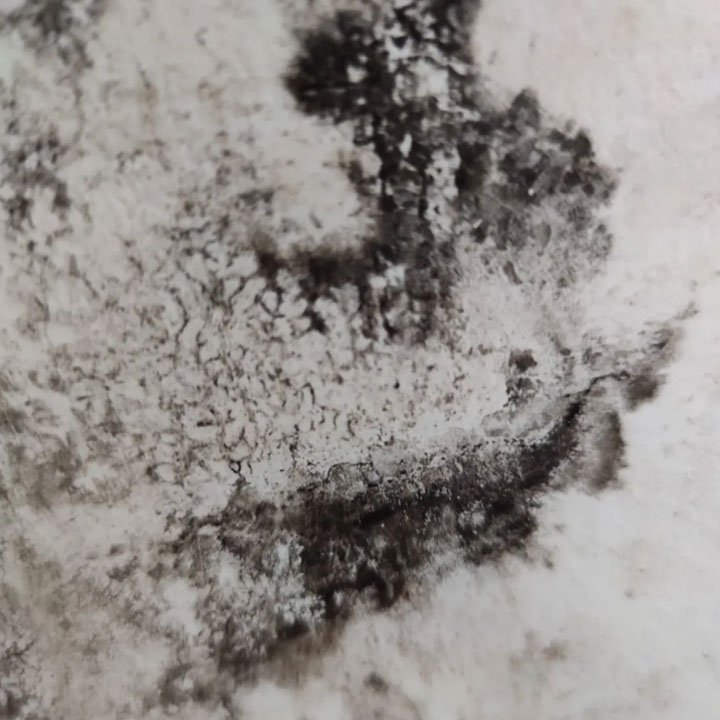
Why Professional Rising Damp Is Essential
Properties across Berkshire, Surrey, and London face severe hydrostatic groundwater pressure, capillary moisture rise, and lateral rainwater penetration. Without a calibrated, continuous defence system, internal masonry quickly suffers from hygroscopic salt efflorescence, black mould spores, blown plaster, and rotting timber joists. Above Water install permanent barrier systems across walls and floors to arrest moisture ingress at the exact physical source.
Our Engineered Systems in Action
The lasting success of damp proofing treatments relies on British Standards (BS 8102 & BS 6576), quantitative moisture profiling, and careful surface preparation. We inspect substrate salinity and relative humidity before applying waterproof tanking slurries, high-density studded cavity drain membranes, or silane cream DPC injections.
Key Advantages of Our Rising Damp Systems
Choosing Above Water provides property owners with:
- Precision drilling and silane-siloxane cream injection into mortar bed lines
- Forms an impermeable hydrophobic barrier stopping water capillary action
- Removal and neutralisation of hygroscopic chloride and nitrate salts
- Breathable, salt-inhibiting re-rendering systems
- Clean, tidy workmanship with minimal disruption to your home
50+ Years Combined Trade Experience
Led by senior surveyor Eddie, Above Water are certified remedial contractors with over 50 years of combined trade mastery across Windsor, Reading, Bracknell, Wokingham, Guildford, and Surrey. From structural waterproofing and cavity drain installations to rising damp treatments and dry rot repairs, we deliver honest diagnostic advice and non-invasive electronic moisture testing.
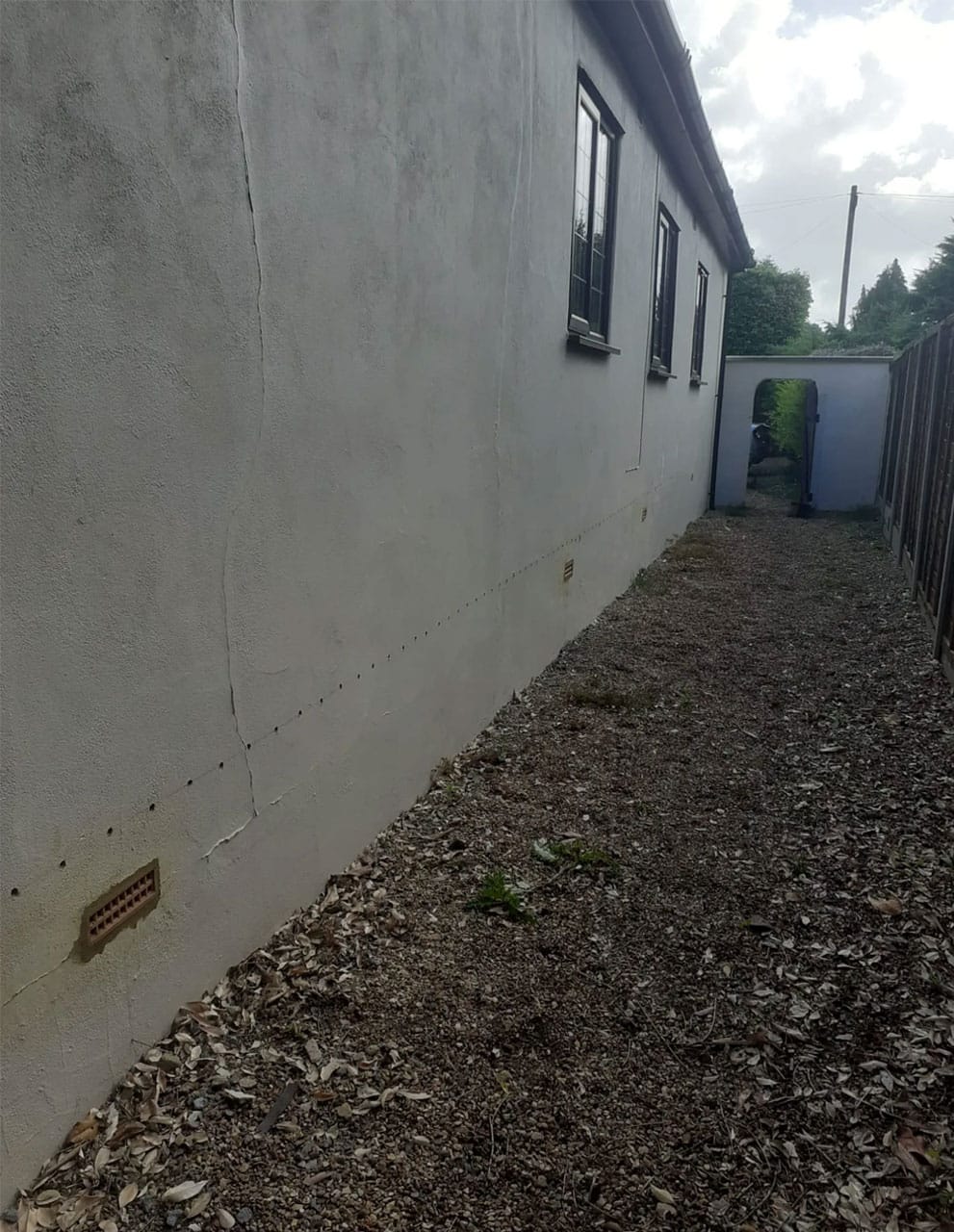
Diagnostic Signs & Substrate Causes
Recognising the early symptoms of moisture ingress prevents structural deterioration and costly repairs.
Warning Signs & Common Symptoms
Underlying Structural Causes
Our 4-Step Diagnostic & Treatment Process
Every property receives a measured, professional approach compliant with British Standards.
Mortar Line Inspection
Locating the existing DPC level (minimum 150mm above outside ground level) and checking for bridging.
Salt Profile Analysis
Confirming ground salt presence to differentiate rising damp from high condensation.
Low-Pressure Silane Injection
Injecting high-concentration active silane cream into the mortar course at 100-120mm intervals.
Salt Retardant Replastering
Applying specialised waterproof sand-cement render containing salt inhibitors.
Treatment Specifications
High-specification damp proofing membranes, chemical barriers, and waterproofing systems.
Silane Chemical DPC Injection
The most effective modern solution for rising damp in brick and stone properties.
DPC Unbridging & Ground Lowering
Lowering perimeter soil levels or creating gravel French drains to restore minimum 150mm clearance.
Specialist Salt Barrier Replastering
Ensures residual wall salts never migrate through to your finished decorative surface.
Frequently Asked Questions About Rising Damp
Local Areas We Cover For Rising Damp
We carry out damp surveys across:
Speak Directly With Eddie
Free honest advice on rising damp, electronic diagnostic surveys, and no-obligation quotations across Berkshire & Surrey.
Above Water Damp Proofing