
Wet Rot Treatment & Timber Remediation
Identification and targeted treatment of Coniophora puteana wet rot decay in windows, roofs, and suspended floors.
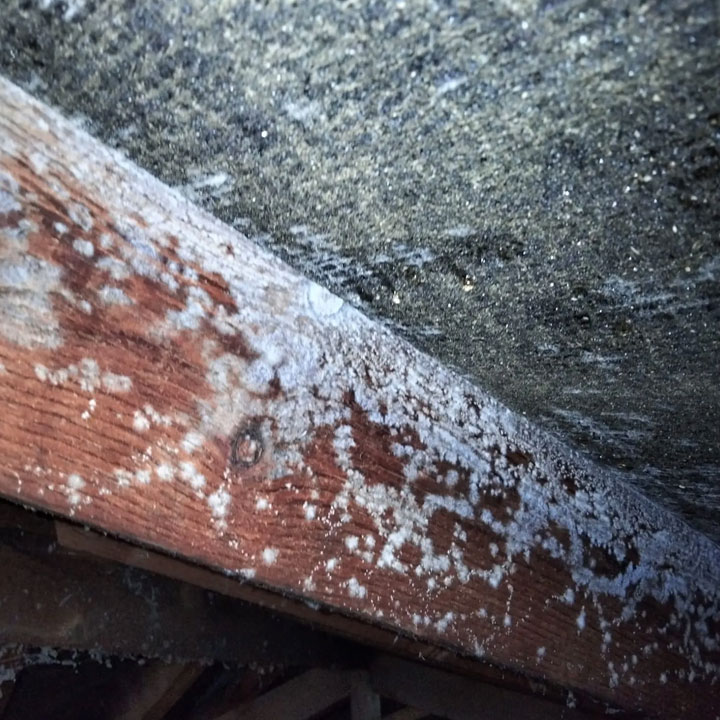
Why Professional Wet Rot Is Essential
Properties across Berkshire, Surrey, and London face severe hydrostatic groundwater pressure, capillary moisture rise, and lateral rainwater penetration. Without a calibrated, continuous defence system, internal masonry quickly suffers from hygroscopic salt efflorescence, black mould spores, blown plaster, and rotting timber joists. Above Water install permanent barrier systems across walls and floors to arrest moisture ingress at the exact physical source.
Our Engineered Systems in Action
The lasting success of damp proofing treatments relies on British Standards (BS 8102 & BS 6576), quantitative moisture profiling, and careful surface preparation. We inspect substrate salinity and relative humidity before applying waterproof tanking slurries, high-density studded cavity drain membranes, or silane cream DPC injections.
Key Advantages of Our Wet Rot Systems
Choosing Above Water provides property owners with:
- Precision diagnosis of Coniophora puteana and white/brown wet rots
- Targeted repair of affected timber without unnecessary destructive stripping
- Elimination of moisture ingress points (plumbing, roofing, external bridging)
- Deep penetrating micro-emulsion wood preservative treatments
- Expert structural joinery splice repairs and resin strengthening
50+ Years Combined Trade Experience
Led by senior surveyor Eddie, Above Water are certified remedial contractors with over 50 years of combined trade mastery across Windsor, Reading, Bracknell, Wokingham, Guildford, and Surrey. From structural waterproofing and cavity drain installations to rising damp treatments and dry rot repairs, we deliver honest diagnostic advice and non-invasive electronic moisture testing.
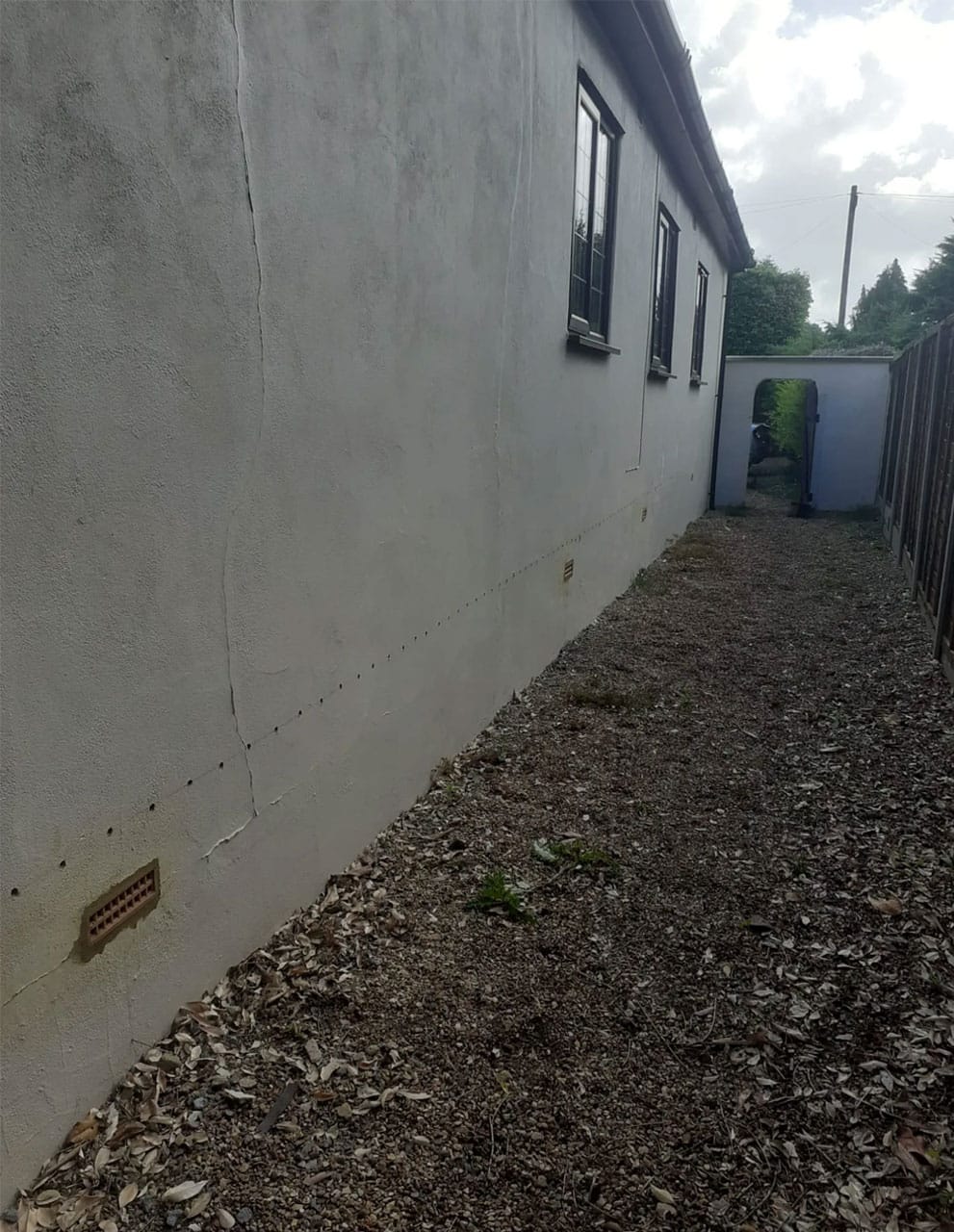
Diagnostic Signs & Substrate Causes
Recognising the early symptoms of moisture ingress prevents structural deterioration and costly repairs.
Warning Signs & Common Symptoms
Underlying Structural Causes
Our 4-Step Diagnostic & Treatment Process
Every property receives a measured, professional approach compliant with British Standards.
Moisture Source Audit
Locating and stopping the active water leak or condensation trap feeding the wet rot.
Timber Soundness Testing
Probing depth of timber degradation to determine if joists require splicing or full replacement.
Preservative Application
Treating surrounding sound timbers with high-penetration timber fungicides.
Joinery & Structural Repair
Splicing in treated timber joist ends with bolted steel flitch plates or resin repairs.
Treatment Specifications
High-specification damp proofing membranes, chemical barriers, and waterproofing systems.
Localised Timber Splicing
Cost-effective repair replacing only rotten joist bearings while preserving the rest of the floor.
Fungicidal Wood Spraying
Protective biocide spray creating a chemical defence against future fungal spore germination.
Window & Door Frame Preservation
Remedial joinery and micro-porous wood finishes restoring exterior joinery.
Frequently Asked Questions About Wet Rot
Local Areas We Cover For Wet Rot
We carry out damp surveys across:
Speak Directly With Eddie
Free honest advice on wet rot, electronic diagnostic surveys, and no-obligation quotations across Berkshire & Surrey.
Above Water Damp Proofing